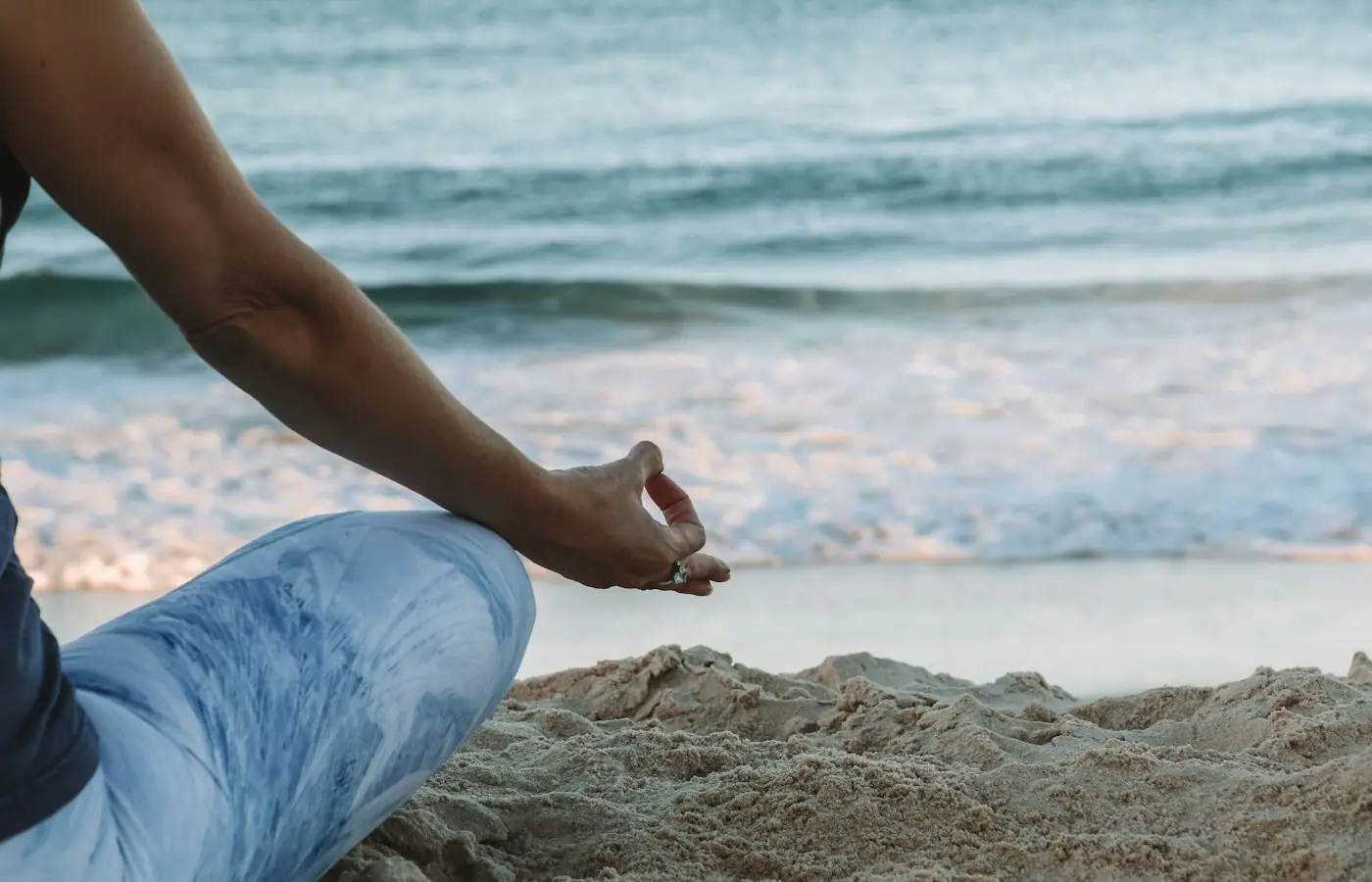
Why Gentle Yoga Beats Intense Workouts for Burnout
Burnout rarely arrives with a bang. It creeps in, and the usual fix of pushing harder can quietly make it worse. Here is why gentle yoga for burnout is often the smarter place to start.
 Written by Bhumi
The mistake most burned-out people make
We treat burnout like a fitness problem: not enough energy, so build more. But burnout is a stress problem. Your body has spent too long in "on" mode and has forgotten how to switch off.
Think of a phone at 2% battery with every app open. You would not fix it by launching a heavy game. You would close the apps and plug it in.
What is happening inside
Stress activates your sympathetic nervous system, the "fight or flight" response. Heart rate rises, muscles tense, and breathing turns shallow. This helps in short bursts. When it never switches off, you get the classic burnout picture:
- Tired but wired, especially at night
- Tight neck, shoulders, jaw, and lower back
- Low mood, irritability, or feeling numb
- Foggy thinking and poor focus
What helps is the opposite state: the parasympathetic, or "rest and digest," response. That is where the body repairs itself.
Why intense workouts can work against you
High-intensity exercise is a stressor, even a healthy one. A rested body recovers and grows stronger. A burned-out body often cannot, because your system counts all stress together, whether it comes from deadlines, worry, poor sleep, or a hard workout.
For some people, a tough session during burnout leaves them more drained and more wired at bedtime. If you notice that pattern, your body is giving you useful information.
Why gentle yoga for burnout works
- It sends a safety signal. Slow movement and long exhales tell your nervous system it can stand down.
- It gives you a breathing tool. A slow, extended exhale works at your desk, in traffic, or before bed.
- It releases held tension. Supported poses ease the shoulders, hips, jaw, and back.
- It rebuilds self-trust. You learn to listen to what your body needs, which is exactly the skill burnout erodes.
A fifteen-minute evening sequence
You need a mat and a cushion or blanket. Move slowly and stop if anything hurts.
- Slow breathing, 2 minutes: inhale for 4 counts, exhale for 6.
- Cat-Cow, 2 minutes: arch on the inhale, round on the exhale.
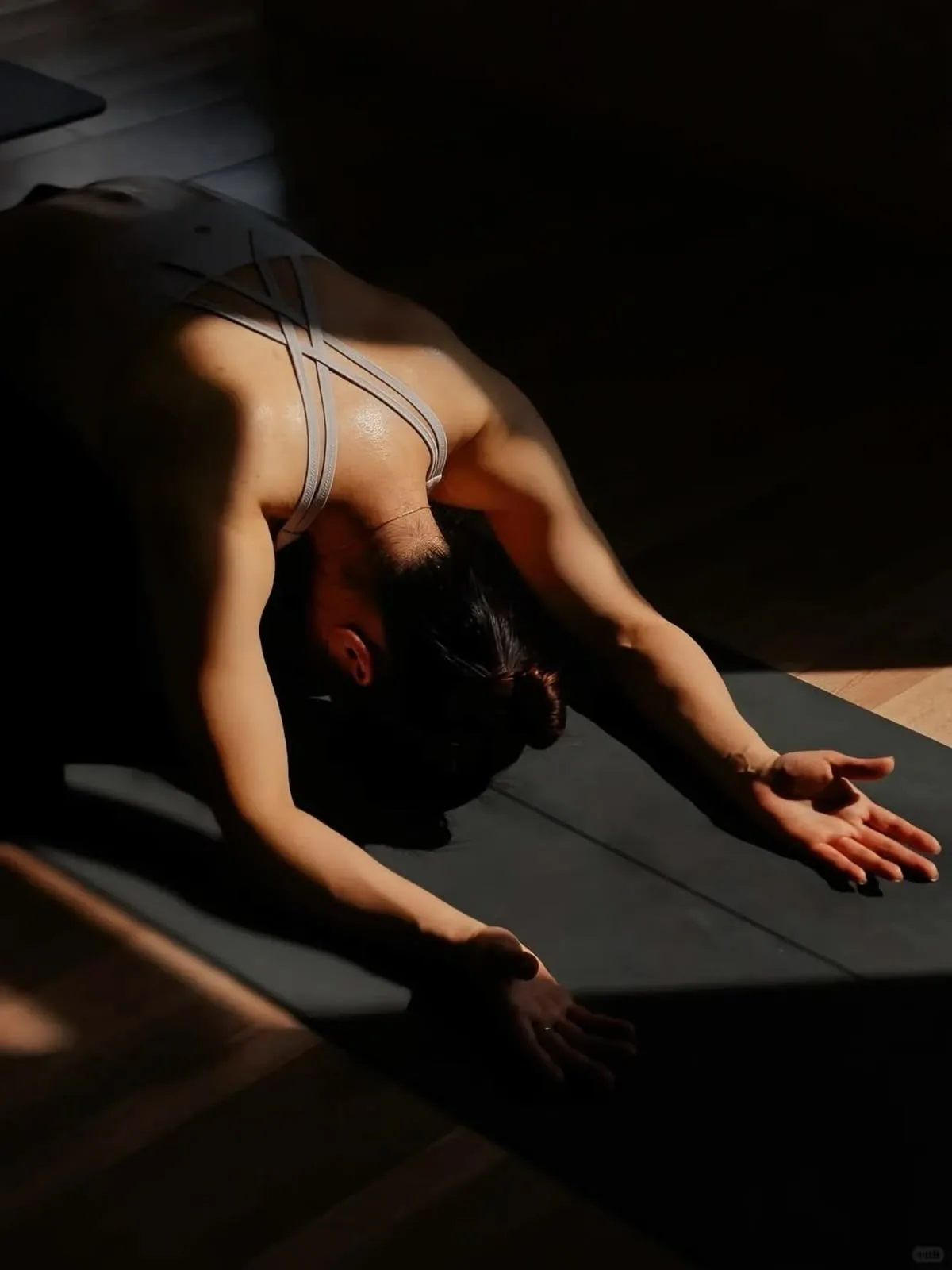
- Child's pose, 3 minutes, with your forehead on a cushion.
- Reclined twist, 2 minutes each side.
- Legs up the wall, 4 minutes, arms open.
Finish by lying still for a minute and noticing how you feel compared with when you began.
If you struggle to wind down at night, try my 5 yoga practices for better sleep.
When can you bring back intensity?
Think of this as a season, not a life sentence. When your sleep improves, your mood lifts, and you wake up with some energy, add vigorous exercise back gradually. Keep yoga as your base so you can catch overload early.
A few gentle notes
Move slowly and never force a position. If you are pregnant, recovering from an injury, or managing a health condition, please check with your doctor first, and let me know in your session so we can adapt the practice for you. If your exhaustion is severe or long-lasting, please see a doctor or mental health professional.
If you would like a gentle routine shaped around your own body and schedule, a one-on-one session is a lovely place to begin.
Ready to practise with personal guidance?
Book Your Session